
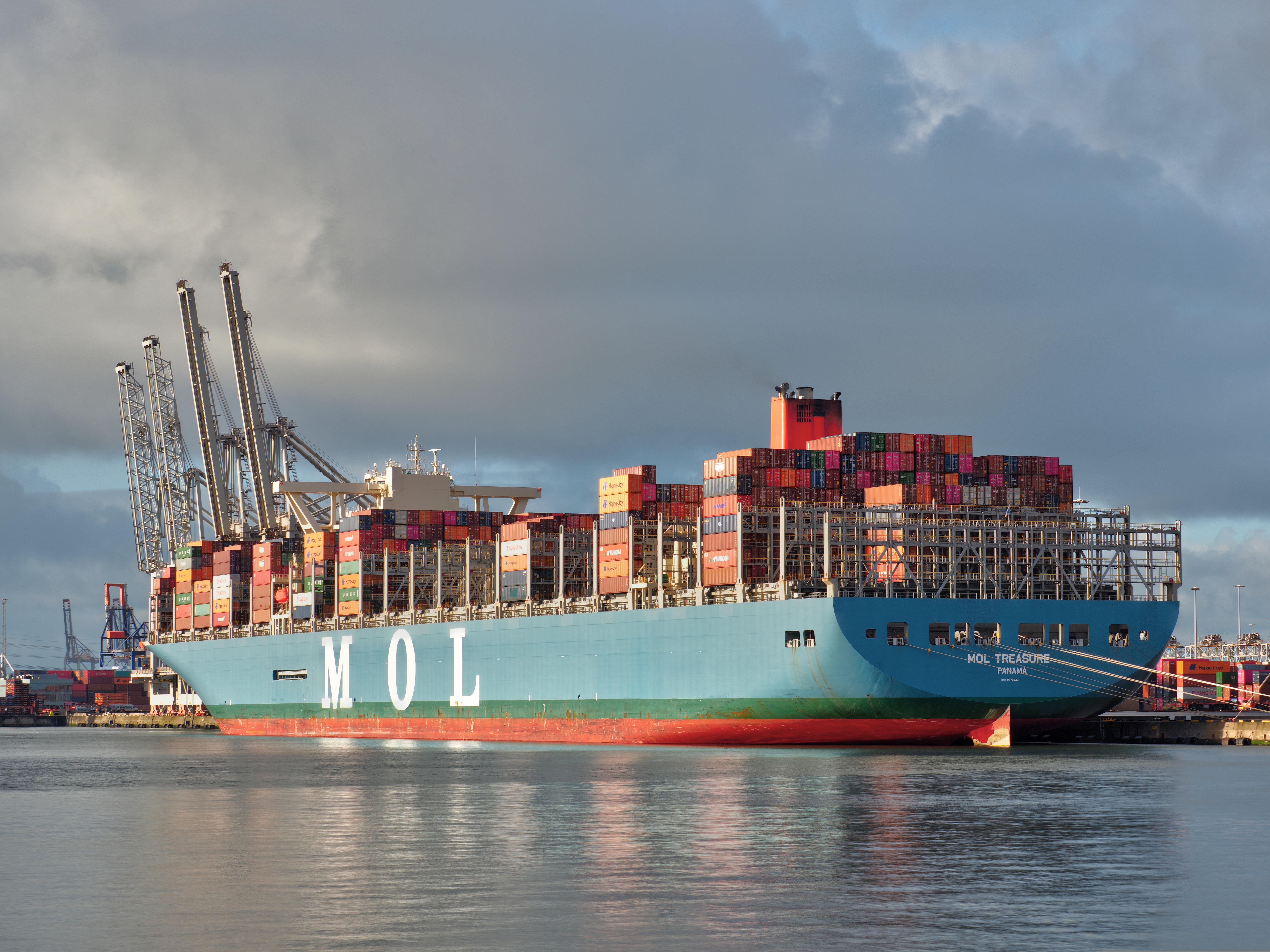
Exports are goods and services produced in one country and sold to customers or businesses in another country. They are an important part of international trade because they allow businesses to reach customers beyond their domestic market and help countries earn foreign exchange. Exporting can also create employment, encourage manufacturing, support small and medium-sized businesses, and strengthen a country’s position in the global economy.
India has a diverse export sector that includes engineering goods, petroleum products, electronic goods, pharmaceuticals, chemicals, textiles, gems and jewellery, agricultural products, rice, marine products, and many other goods. The Indian government’s trade portal currently identifies petroleum products, electronic goods, drugs and pharmaceuticals, and engineering goods among the leading export commodities.
📦 Major Products Exported from India
India exports a wide variety of products to markets around the world. Engineering goods form one of the country’s major export categories and include machinery, automobiles, industrial equipment, electrical products, and metal products. Electronic goods have also become increasingly important, with India’s electronic exports growing significantly over the past decade.
Pharmaceuticals are another major export sector. India is a significant global producer of medicines and pharmaceutical products, and pharmaceutical exports have grown substantially over the years.
India also exports textiles and garments, footwear, leather products, agricultural goods, processed foods, rice, spices, tea, coffee, marine products, gems, and jewellery. This wide range of products allows Indian businesses to serve different markets and customer requirements.
🌐 Major Export Destinations
Indian products are sold in markets across North America, Europe, Asia, the Middle East, Africa, and other regions. The United States, United Arab Emirates, China, Netherlands, and United Kingdom are among India’s important export destinations.
Having multiple international markets is important because it gives exporters opportunities to expand their businesses and reduces dependence on a single market. Different countries have different demands, which creates opportunities for Indian manufacturers and suppliers.

💰 Importance of Exports to the Economy
Exports contribute significantly to economic development. When businesses sell products internationally, they earn foreign currency and increase production to meet international demand. This can create jobs across manufacturing, agriculture, packaging, transportation, warehousing, logistics, marketing, and other supporting industries.
India’s total exports of merchandise and services reached US$825.25 billion in 2024–25, according to the Department of Commerce. Merchandise exports were about US$437.70 billion in the same year.
👟 Footwear and Leather Exports
Footwear is an important opportunity within India’s export sector. Indian manufacturers produce leather shoes, sandals, slippers, sneakers, boots, sports footwear, and traditional footwear for both domestic and international markets. Export businesses in this sector can compete through product quality, attractive designs, competitive pricing, reliable production, and timely delivery.
For a footwear website, exports can be presented as a way of taking Indian craftsmanship and modern footwear designs to customers around the world.
🚢 How the Export Process Works
Exporting involves several stages. A business first identifies an international market and finds potential buyers. It then prepares the product according to the buyer’s specifications and completes necessary documentation. The goods are packaged, transported to a port or airport, cleared through customs, and shipped to the destination country.
Successful exporting requires proper product quality, packaging, documentation, logistics, pricing, payment methods, and compliance with international requirements. Reliable supply chains are especially important because delays in shipping or customs can affect delivery schedules.
🚀 The Future of Indian Exports
India’s export sector is continuing to diversify, particularly through growth in electronics, engineering goods, pharmaceuticals, and other manufacturing sectors. Recent government data also shows strong growth in several export categories, including engineering goods and electronic products.
With increasing digital connectivity, e-commerce, improved logistics, international trade agreements, and growing global demand for Indian products, businesses have more opportunities to enter international markets. For small businesses and emerging brands, exporting can provide a pathway to reach customers beyond India and build a global brand presence.
Exports are more than just selling products overseas—they connect businesses, industries, and countries while creating opportunities for growth, innovation, employment, and global expansion. 🌎📦